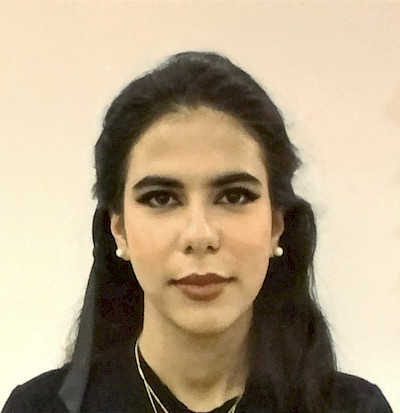
Mahda Soltani
As an aspiring scholar at the intersection of technology, law, and international relations, my journey has been driven by a quest to understand and influence the ever-evolving digital landscape’s impact on global policy and human rights. Currently having recently completed my undergraduate studies at the University of Washington, I majored in Computer Science; Political Science; and Law, Societies, and Justice. This unique combination of disciplines reflects my commitment to bridging the gap between technological innovation and ethical, equitable policymaking.
My academic pursuits are complemented by a rich tapestry of experiences, ranging from conducting legal research at the Max Planck Foundation to applying artificial intelligence in ethical research at the National Institutes of Health. These experiences have not only honed my analytical skills but also nurtured a deep understanding of the practical implications of policy decisions in diverse international contexts.
Motivated by the urgent need to address the dissonance between rapid technological advancements and the slower pace of policy adaptation, I applied for the Gaither Junior Fellowship at the Carnegie Endowment for International Peace. The fellowship, renowned for its emphasis on combining theoretical knowledge with practical international affairs, aligns perfectly with my aspirations. It represents an unparalleled opportunity to apply my interdisciplinary expertise in a real-world context, furthering my understanding of global diplomacy and policy-making.
In the near term, the fellowship will provide me with invaluable exposure to international policy development, enriching my academic knowledge with hands-on experience. Looking ahead, I envision this experience as a cornerstone in my journey towards a PhD, where I plan to explore how emerging technologies can be leveraged to enhance democracy and respond effectively to global crises. Ultimately, the Gaither Fellowship is not just a step towards achieving my academic and professional goals but a gateway to making meaningful contributions in a world where technology, policy, and ethics intersect.
Goals
My immediate goal is to apply the knowledge and skills acquired from my undergraduate studies to practical international policy work through the Gaither Junior Fellowship. In the longer term, I aspire to pursue a PhD focused on leveraging technology for global democratic enhancement and crisis response, aiming to contribute significantly to policy-making and advocacy on an international scale.
Tips
One of the most important aspects of your application will be the depth and authenticity of your narrative. It’s crucial to start early, allowing yourself enough time to thoughtfully craft your story and reflect on how your journey aligns with the scholarship’s goals. Seeking feedback is another vital step. Engage with mentors, professors, or peers who can provide constructive criticism. Their external perspectives can offer invaluable insights, helping to refine your essays and application materials. Remember, feedback is not just about correcting what’s wrong; it’s about enhancing what’s already good. Tailoring your application to the specific scholarship is essential. For instance, for a fellowship focused on technology and international affairs, it’s important to highlight how your experiences and interests intersect with these areas. This approach shows the scholarship committee that you understand and are deeply aligned with their mission. Finally, don’t overlook the importance of revision and proofreading. A well-written application speaks volumes about your dedication and attention to detail. Remember, the application process is not just about securing funding or a position; it’s a valuable opportunity for personal and professional growth. Each application you complete helps you refine your skills and clarify your future goals.